
Social media is often criticized for spreading misinformation, fueling outrage, and keeping users glued to their screens. However, when used effectively, it has the potential to be a powerful force for public good. From disaster relief efforts to grassroots activism, social media has played a critical role in connecting people, amplifying voices, and driving real-world change.
Mobilizing Aid in Times of Crisis
One of the most significant ways social media contributes to public good is through rapid mobilization during crises. When the Maui wildfires devastated communities in 2023, social media became an essential tool for coordinating relief efforts. Local residents used platforms like Twitter, Facebook, and TikTok to share evacuation routes, locate missing loved ones, and distribute resources. Crowdfunding campaigns gained traction almost instantly, helping displaced families secure immediate aid. This ability to spread information quickly and connect people in need with those who can help makes social media an indispensable tool in disaster response.
Amplifying Underrepresented Voices
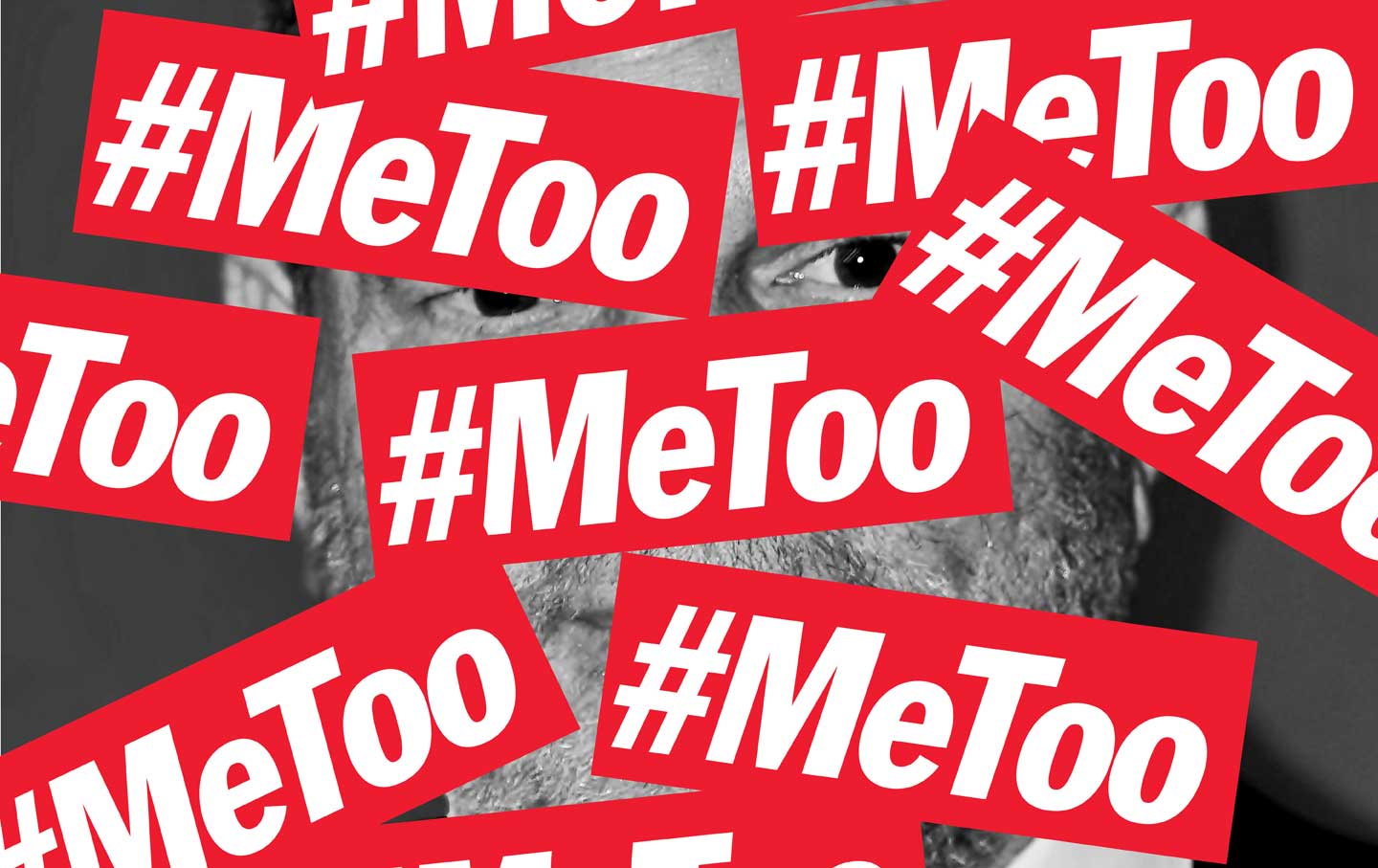
Movements that once struggled for visibility now have a global platform. The #MeToo movement, originally started in 2006, gained international attention in 2017 due to social media, leading to real consequences for powerful figures accused of misconduct. More recently, the #MahsaAmini movement in Iran demonstrated the power of digital activism. After the 22-year-old died in police custody in 2022, protests erupted worldwide, fueled by viral social media content. Despite government censorship, people around the world became aware of the human rights crisis in Iran, pressuring governments and organizations to take action.
Bridging the Gap Between Citizens and Policymakers
Social media allows individuals to communicate directly with leaders and institutions. The 2020 Black Lives Matter protests saw a surge in digital activism, compelling lawmakers to introduce police reform policies and corporate leaders to reassess diversity and inclusion practices. In another example, the Ukrainian government leveraged social media to rally international support following Russia’s 2022 invasion. President Volodymyr Zelensky’s use of Twitter and Telegram kept the world informed and mobilized humanitarian aid and military assistance.
Combating Misinformation with Digital Literacy
While misinformation remains a significant issue, social media has also enabled fact-checking initiatives and digital literacy campaigns. Organizations like Snopes, PolitiFact, and independent journalists use platforms like Instagram and TikTok to debunk viral falsehoods. Additionally, grassroots campaigns have emerged to educate users on how to critically evaluate the information they encounter online. As platforms refine their misinformation policies and invest in fact-checking efforts, social media’s role in promoting truth continues to evolve.
A Tool, Not a Solution
Social media alone won’t solve society’s problems, but it provides a framework for meaningful action. Whether it’s mobilizing aid, amplifying marginalized voices, or holding institutions accountable, its potential for public good is undeniable. The key lies in how we use it—by fostering engagement beyond the screen and ensuring that digital activism translates into tangible change. While challenges remain, social media’s ability to connect, inform, and empower communities is a reason for optimism.
Leave a Reply