
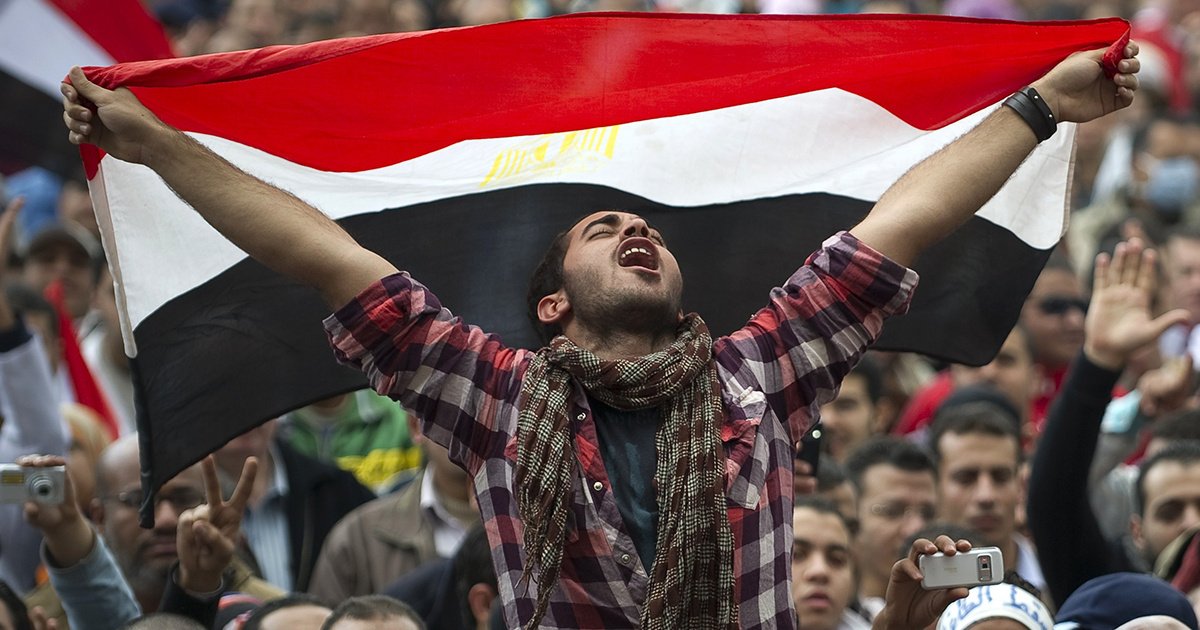
When it comes to modern activism, few tools have shaped the landscape as quickly and dramatically as social media. From the Arab Spring uprisings in 2010 to more recent global movements like #MeToo and Black Lives Matter, platforms like Facebook, Twitter, Instagram, and TikTok have shown the world that the internet isn’t just about entertainment. It can also be a vehicle for social change, political resistance, and global solidarity.
One of the most well-known examples is the Arab Spring, where protesters used social media not only to communicate and organize but also to bypass the state-controlled media and show the world the realities of life under authoritarian rule.
Videos, photos, and firsthand testimonies documented human rights abuses in ways that traditional journalism could not match for speed or reach. Platforms like Twitter allowed protesters to share updates in real-time and coordinate demonstrations, while Facebook pages and YouTube videos helped build both national and international awareness. These platforms connected people across borders and backgrounds, creating digital communities united by a desire for change.
Movements like #MeToo and Black Lives Matter have followed a similar path, using social media to amplify voices and expose injustice. Both movements proved that social platforms could spark global conversations and demand accountability from powerful institutions.
Yet the truth is that the work of these movements is far from finished and their stories often fade from public view once the initial wave of viral attention dies down. When new cases of police violence or high-profile reports of harassment capture headlines, these movements return to the spotlight, but they are constantly battling for relevance and visibility in a digital landscape driven by short attention spans. Their long-term goals changing laws, shifting public mindsets, and holding systems accountable, all require ongoing effort, but the media cycle rarely makes space for slow, steady progress.

That said, it would be naive to assume that social media alone can “fix” injustice or dismantle oppressive systems. A hashtag may spread awareness, but change happens through sustained action, protests, legislation, policy reform, community engagement, all of which require work both online and off. The digital world can amplify messages, but it can also distort them. False information spreads as easily as the truth, and activism can sometimes stop at the level of performance rather than result in meaningful action.
Still, dismissing social media as just a distraction ignores its real and growing role in modern civic life. The ability to connect across cultures and borders in seconds, to bear witness to injustices as they unfold, and to call on others for support or solidarity is one of the most powerful resources available to grassroots movements today. It’s not a magic solution, and it’s certainly not free from manipulation, but in the hands of people who seek justice, it remains a tool worth paying attention to.
So can social media right the world’s wrongs or topple corrupt governments? Not on its own. But it can expose, inspire, and empower, and sometimes, that is the first and most important step toward lasting change.
Leave a Reply