
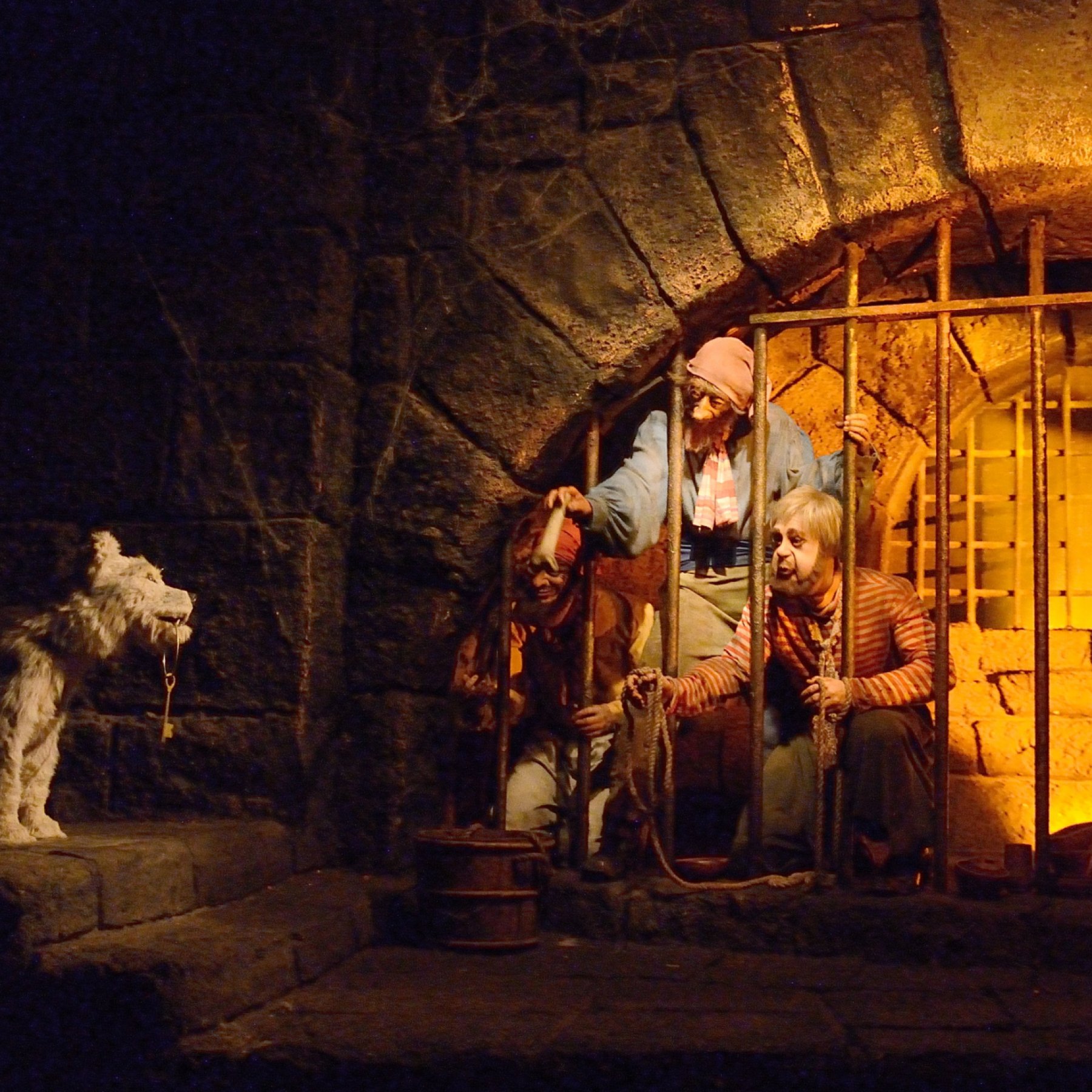
You step into the dark cavern at Disney’s Pirates of the Caribbean and immediately notice the smell. Saltwater mixed with spices hits your nose, just faint enough to make you pause and say, “Wow, I am somewhere else.” That comes before you see a single pirate. It is subtle, but intentional. In the experience economy, details like this are not decoration; they are memory triggers. Disney is not selling a boat ride: they are selling an experience, a story, a feeling that you carry with you. Every element of the ride is designed to create emotional value, turning a product into a memorable adventure, which is the essence of the experience economy.
Disney is not selling a boat ride. They are selling adventure, story, and feeling. Every part of the ride, from scent and sound to motion and temperature, is designed to make you feel like you are in the Caribbean surrounded by pirates. That is what makes it memorable.
The Experience Economy in Action
We live in a world full of options. There are coffee shops on every corner, dozens of apps to download, snacks lining every grocery aisle. So why do we come back to some brands? Because of the experience they create.
Pine and Gilmore call this the experience economy. Companies move beyond selling products or services and stage experiences. Starbucks sells a place to linger, Disney sells worlds to step into, Apple sells identity. Design is the glue. It is how you move from a product to a memory you will tell your friends about.
Feeling Every Moment
Step onto the boat. The lanterns flicker over the water. You hear distant singing and a wooden plank creaking. You feel the boat gently sway. That is visceral design, the first layer of emotion Norman describes. Your body reacts before your brain catches up.
As the ride continues, you notice the pacing. Pirates argue over barrels of rum. Cannon fire booms, but it never feels overwhelming. You can see every scene and every animatronic clearly. That is behavioral design. It keeps you engaged without frustration and lets the story flow naturally.
By the end, you are laughing at a pirate behind bars, humming the ride’s theme, and remembering the smell that hit first. That is reflective design. It is the memory, the story, the feeling that sticks.

Personas on the Boat
Disney does not design for everyone. They design for real people, or personas based on research about actual visitors. Imagine Rosa, a mom visiting with two kids. She wants fun without chaos, clear visuals, and small surprises to keep her children entertained. Or Marcus, a teen thrill-seeker, looking for excitement and spectacle.
Personas guide every choice. The scent, the timing of a cannon blast, the pirate singing just loud enough to make you grin are all chosen with these imagined guests in mind. As Taylor Dykes explains, personas make users memorable. Designers empathize with an individual rather than statistics. That is how design hits emotionally.
The Ride as a Story
The ride follows a clear narrative arc, giving you a full glimpse into the Jack Sparrow experience:
Hook – As you step into the cavern, lanterns flicker along the walls and the gentle sway of the boat rocks your feet. The water carries that signature ocean-and-spice scent, instantly transporting you to the Caribbean. A soft, mysterious melody plays in the background, pulling you forward. You are curious, excited, and a little on edge, wondering what comes next.
Rising action – The music shifts into the cheerful “Yo Ho (A Pirate’s Life for Me)” as pirates begin their antics. You pass the village under attack, seeing animated townsfolk fleeing and barrels rolling across the docks. Pirates swing their swords, bicker over treasure, and sing loudly. The faint smell of Caribbean spices grows stronger as you drift past the tavern scene, rum barrels stacked high and animatronic pirates laughing and drinking. The tension builds gradually as the stakes rise, and your senses are fully engaged.
Climax – Suddenly, cannon fire booms, shaking the boat gently, and pirates chase you through the chaos. Jack Sparrow animatronics make appearances, swaggering and sneaking through the scenes with his signature charm. Overhead, drunken pirates swing on ropes, swords clashing. Fire effects and explosions light up the dark corners, making your heart jump. Your attention peaks as the scenes feel chaotic, thrilling, and perfectly choreographed.
Resolution – As the boat slows, the chaos fades into comic relief. Pirates end up in silly predicaments: one is tangled in rigging, and another accidentally falls into a barrel. Laughter and music soften the adrenaline.
Aftermath – The ride gently drifts toward the exit, and the last notes of music echo in your ears. You are already remembering the scent, the sights, the humor, and the thrills. You will tell friends, post photos, and hum the tune later, carrying a piece of the ride with you long after you leave.
Every moment is carefully staged to hit emotional high points, balance tension and humor, and leave the experience lingering in memory. Disney designs the ride so you are not just observing a story: you are living it, smelling it, hearing it, and remembering it.
Scent: The Secret Star
The water-and-spice scent is more than atmosphere. Pine and Gilmore explain that experiences gain value when they engage the customer personally. A smell triggers memory faster than sight or sound. Disney uses this scent to create a lasting connection. It links adventure with memory and makes visitors want to return. It is consistent across decades, so returning visitors immediately feel nostalgia even before they see the first pirate.
The impact is so strong that small businesses have even started making candles and sprays inspired by the ride’s signature scent. Fans can bring a little piece of the Caribbean adventure home, letting the smell transport them back to the ride anytime. That is design creating value through emotion, and it is exactly what the experience economy is all about.

Why It Works
Guests are not paying for a boat ride. They are paying for immersion, story, and memory. Emotionally connected customers stay longer, return more often, and share their experiences with others. Disney uses personas and sensory cues to make sure every visitor feels that connection. Pirates of the Caribbean shows that design is more than visuals or mechanics; it is emotional storytelling.
Conclusion
Every part of Pirates is intentional. Scent, sound, visuals, and motion work together to create a journey. Personas guide the design to make it feel real for actual people. The ride follows a narrative arc that keeps you engaged, peaks your emotions, and leaves a memory you can recall years later.
In the experience economy, value lives in feeling. Disney shows that when design connects emotionally, it is not just a ride. It is an adventure you carry with you. The water smells like the Caribbean, and that scent sticks with you forever.
Sources
- Pine, B. Joseph, & Gilmore, James H. The Experience Economy. Harvard Business School Press, 1999.
- Norman, Donald A. Emotional Design. Basic Books, 2004.
- Plutchik, Robert. Emotion: Theory, Research, and Experience. Academic Press, 1980.
- Dykes, Taylor. “Personas Make Users Memorable.” Nielsen Norman Group, 2025.
- Interaction Design Foundation. “Personas — A Simple Introduction.” https://www.interaction-design.org
- Magic Candle Company. Pirate Life® | Pirate water ride scent. https://magiccandlecompany.com/collections/top-trending-products/products/pirate-life
- Disney Rides. Pirates of the Caribbean POV (and Fun Facts) [Video]. YouTube. https://youtu.be/sK67pCBGSOk?si=MFIZkwqJRhIvEzBR
Leave a Reply