
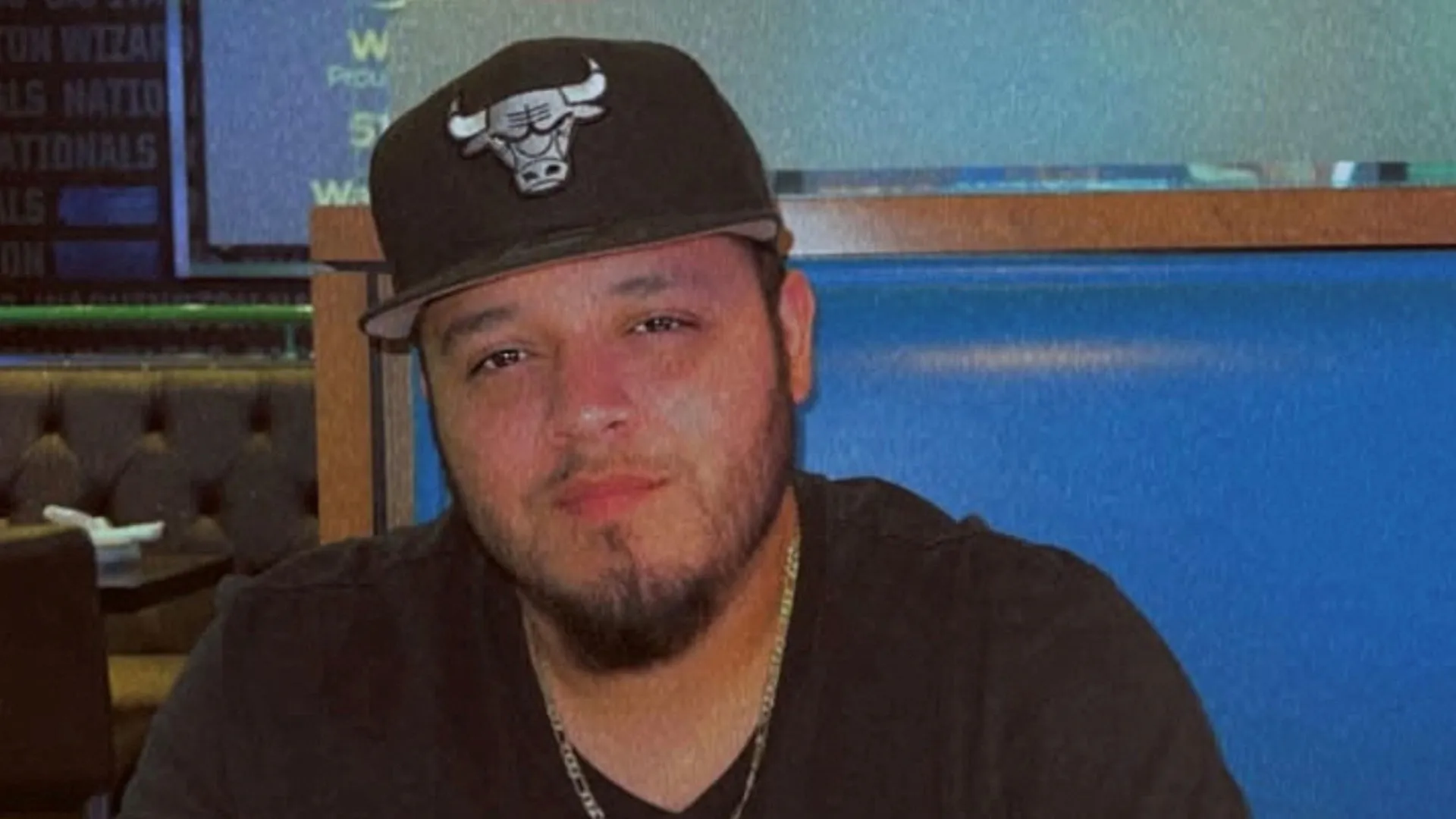
The same man, with two very different spins.
When Kilmar Abrego Garcia was wrongfully deported to El Salvador, his story didn’t just make the news. It has become a perfect example of how “stickiness” shapes public opinion. Stickiness is what makes content linger in your mind, drive conversation, and spark emotion. And depending on which platform or audience sees it, the same story can create two completely different reactions.

Conservative media wasted no time using Kilmar’s case to feed an old, harmful narrative: the “bad immigrant” stereotype. Headlines leaned on phrases like “MS-13 ties” and “border security failure” without real evidence, turning Kilmar from a person into a political talking point. These stories were crafted to stir fear, reinforce anti-immigrant sentiment, and fit neatly into the Trump-era script of using deportation as both a warning and a weapon.
For the audiences these stories reached, that framing stuck. It wasn’t about Kilmar’s life or his family. It was about reinforcing the belief that immigrants are dangerous and that hardline immigration policies are justified.
Humanizing the Headlines
But while one side worked to stoke fear, social media offered a platform for something much more human. Advocates and everyday users reshaped Kilmar’s story into what it really was: a father separated from his family, a man wrongfully deported, a life upended by a system that failed him.
When people shared Kilmar’s story on platforms like X, Instagram, and TikTok, they didn’t just post headlines. They shared photos of Kilmar, stories from his family, and context that the major outlets left out. They created space for empathy and connection, not division. The stickiness here wasn’t rooted in fear, but in compassion — and that’s what made people pay attention.

When Awareness Sparks Action
The power of this human-centered storytelling paid off. Public pressure, advocacy, and media coverage helped push Kilmar’s case all the way to the U.S. Supreme Court, where a 9-0 decision reversed his deportation and exposed the injustice of what had happened.
Even more powerful, Maryland Senator Chris Van Hollen flew to El Salvador to meet Kilmar face-to-face, a meeting that never would have happened without the attention his story earned online. Social media didn’t just make his story sticky, it helped turn it into action.
What Sticks, Shapes Us
Kilmar’s case is a clear reminder that stickiness is about more than just clicks and shares. Whether a story reinforces fear or fuels compassion depends on who’s telling it, and what we choose to amplify. Algorithms will always feed us more of what we engage with. So the question is, what kind of stories do we want sticking around?
Leave a Reply