
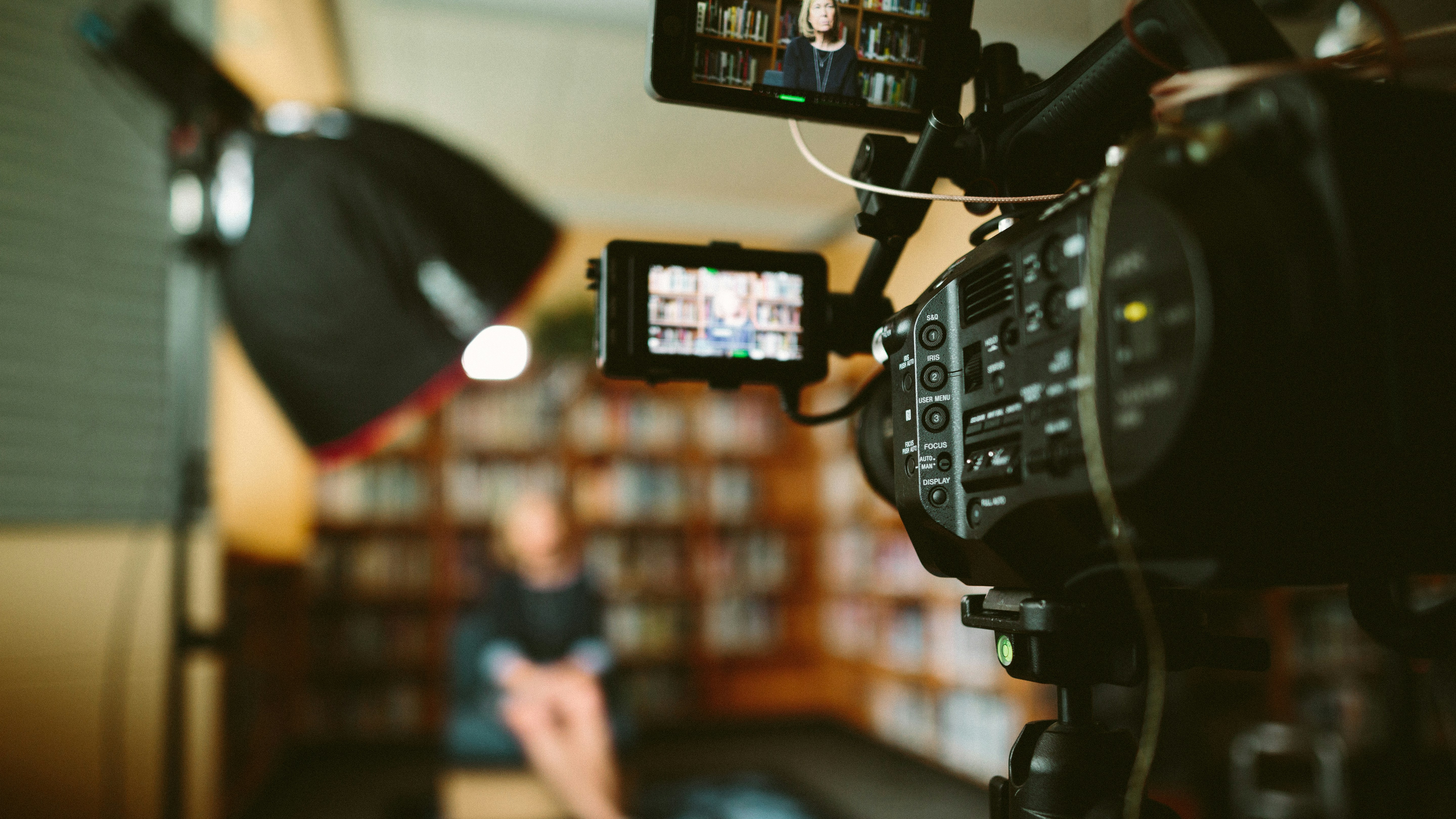
This week made me notice just how much the way a video looks and feels comes down to small, deliberate choices. It all comes together in pre-production when you think about what you can realistically shoot, how moments can naturally create humor or emotion, and how your own perspective shapes the story you’re telling.
Lighting
Chapter Seven honestly cleared up a lot of things I thought I understood about lighting but didn’t. It makes you realize how much lighting is basically visual problem-solving. The book breaks down the classic three-point setup: key, fill, and backlight and even though I’ve heard those terms a million times, this chapter finally explained why they matter. The key light gives shape and direction so your subject doesn’t look flat. The fill light is just there to soften, not erase, the shadows. And the backlight separates the subject from the background so they actually look like they’re in a three-dimensional space.
The chapter also dives into how different kinds of light create different moods. Hard light gives you those sharp, dramatic shadows (great if you want a moody or intense vibe), while soft light basically hugs the subject and makes everything feel smoother and more natural. And the thing I appreciated most is that the book doesn’t pretend you need expensive gear. It shows how much you can do with window light, a white wall, a lamp with a sheet over it, or even a cheap reflector. It made lighting feel less like a technical hurdle and more like something you can experiment with on a student budget.
What stuck with me most is how tiny adjustments can completely change the feel of a shot. Slightly moving the key light or bouncing light off a nearby surface can take your footage from “okay” to “oh wow.” I’m starting to actually notice these choices in the videos I watch now, and it’s making me more intentional with my own work.

Doing It
Chapter Nine is all about getting out of your head and actually shooting. It talks a lot about how planning is important, but you also can’t plan your way out of every surprise on set. The chapter takes this super practical approach: figure out what your audience needs to understand, list the shots that clearly communicate those ideas, and then go get the visuals that support the story. It really pushes the idea that shots shouldn’t just look good, they should mean something.
The section on b-roll made a lot of sense. It explains why strong b-roll isn’t just filler, it’s the glue that keeps the story moving and keeps the edit from feeling jumpy. Getting enough coverage (wide, medium, close-ups) is basically future-you doing a favor for present-you. The chapter makes it clear that editing becomes a puzzle you can actually solve if you show up on the day with enough pieces.
But the other half of the chapter is all about rolling with whatever happens. Even with a shot list, things will change, lighting, weather, interview energy, whatever. So the book encourages capturing spontaneous moments because they can actually become the best parts of your project. It’s a nice reassurance that filmmaking isn’t about perfection; it’s about being prepared enough to adapt.

Videos That Inspired Me This Week
Vox – How the US made affordable homes illegal
Vox has really mastered the art of explaining things visually, and this video is such a good example of that. They use graphics and maps in a way that’s actually helpful, not distracting, and they pace the video so the info never feels overwhelming. You can tell how carefully the visuals are paired with the narration, there’s never a moment where you’re like “Why am I looking at this shot right now?” Everything lines up. It’s clean, intentional, and super watchable.
SNL – “Bridesmaid Cult Documentary”
I LOVE this SNL sketch because it parodies true-crime style documentaries by treating the absurd pressures of being a bridesmaid like a serious cult expose, using deadpan narration, talking-head “experts,” and overblown statistics to highlight how ridiculous wedding culture can be; the comedy works because it leans into the contrast between solemn documentary tropes and trivial bridal demands, and the performances sell the bit by staying straight-faced while the details get increasingly absurd, which makes the satire land.
The New Yorker – “A Shepherd’s Life Lessons”
This documentary takes a slow, patient look at the daily life of an older shepherd in rural Wales, using pacing and cinematography that lean into atmosphere. The sounds of sheep, animals, footsteps, and the surrounding landscape make the whole thing feel immersive. What works so well is that there’s no flashy drama; it relies on the natural rhythms of his day-to-day life, which makes it feel honest and real. Close-ups, natural light, and simple ambient sounds turn small moments like feeding sheep, cooking, or walking at sunset into something meaningful. The biggest takeaway for me is that great storytelling doesn’t always need big events, and you can create depth just by capturing someone’s routine if you focus on texture, sound, and pacing and treat the subject with genuine respect.
Developing My Concept in Pre-Production
I spent time thinking about what I could film within my own limits and what felt honest to my day to day life. I went through a few concepts before settling on something that felt both manageable and genuinely funny. This came from scrolling TikTok and seeing a video about exes. I was visiting friends, we were talking, and the topic of old relationships came up. That conversation sparked the thought that the assignment did not need a big cinematic idea. It only needed a situation with real energy.
From there the concept built itself. The idea of interviewing my friend Camilla about her exes felt natural because the humor was already present in our casual talks. I realized the tension between what she remembered and how she reacted could carry the entire video. Once that clicked, I focused on shaping the idea in a way that would make the interaction feel candid and entertaining. I explored how each answer could reveal something different about her personality and how my role as the interviewer added rhythm to the scene.
Leave a Reply