
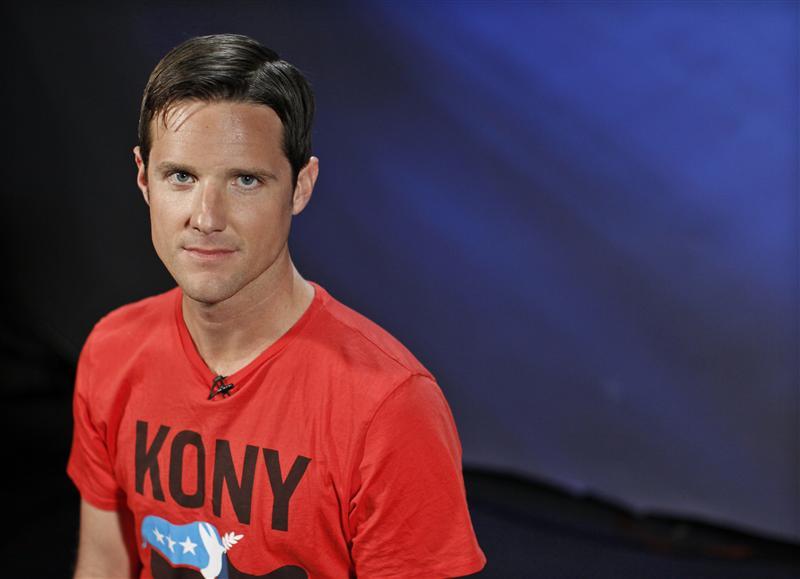
Back in 2012, a 30-minute video called Kony 2012 took over the internet. Invisible Children, a non-profit organization, created it to expose Joseph Kony, the leader of the Lord’s Resistance Army (LRA), and his crimes—abducting children and forcing them into his army. It was everywhere. In just a few days, millions had watched it, and suddenly, stopping Kony became the cause everyone was talking about.
Social Media’s Role in Viral Activism
Kony 2012 showed just how powerful social media could be in spreading awareness. Facebook, Twitter, and YouTube turned a distant issue into something personal, urgent, and actionable. The campaign introduced a lot of people to “clicktivism”—supporting causes through likes, shares, and hashtags. The engagement was wild, proving that a strong narrative and an emotional hook could spark a movement practically overnight.
Experiencing It as a Kid vs. Understanding It Now
I was 12 when Kony 2012 happened. I vaguely remember seeing the posters and videos, but I was too young to wrap my head around the severity of the cause. It was just another thing adults were talking about. The storytelling made the crisis feel immediate, like something that could be solved if enough of us paid attention.
Looking at it now, I can see how the video simplified a much more complex situation. It painted Kony as the single villain, making it seem like capturing him would magically fix everything. The black-and-white framing left out a lot of nuance, and in hindsight, the campaign’s approach feels more like a marketing strategy than a real solution.
Why the Movement Fizzled Out
The momentum behind Kony 2012 was intense, but it didn’t last. As quickly as the campaign gained traction, it unraveled due to controversy. Critics pointed out that Invisible Children oversimplified the issue and spent more on awareness efforts than direct aid. Additionally, Jason Russell, the filmmaker behind the video, struggled under the immense pressure of overnight fame. His public breakdown, widely circulated online, became a defining moment that shifted attention away from the cause and toward the organization’s credibility. The campaign’s rapid rise and fall exposed the risks of viral activism led by individuals who may not be equipped to handle global scrutiny and the responsibilities that come with it.
What We Can Learn for Future Activism
The Kony 2012 movement was a wake-up call about both the potential and the pitfalls of social media activism. If we want to use these platforms to create a better future, here’s what we should take away:
- Oversimplifying issues isn’t the move. Breaking things down for mass appeal is fine, but leaving out key context can be misleading. Real activism should make people more informed, not just emotional.
- Awareness is only step one. Kony 2012 got people talking, but action beyond sharing and hashtagging was lacking. Sustainable change requires real-world follow-through.
- Who tells the story matters. The video centered on Western activists instead of the people actually affected. If we want to help, we should amplify the voices of those with lived experience, not speak over them.
- Viral moments fade—real change takes time. The internet moves fast, but lasting impact happens over years, not weeks. Social media should be a tool for long-term activism, not just one-time outrage.
Kony 2012 was one of the first massive social media-driven movements, and its influence is still felt today. It proved that digital activism can mobilize people, but it also exposed the dangers of performative engagement. If we want to promote good and build a better future, we have to go beyond clicks and shares and commit to real, informed action.
Leave a Reply